
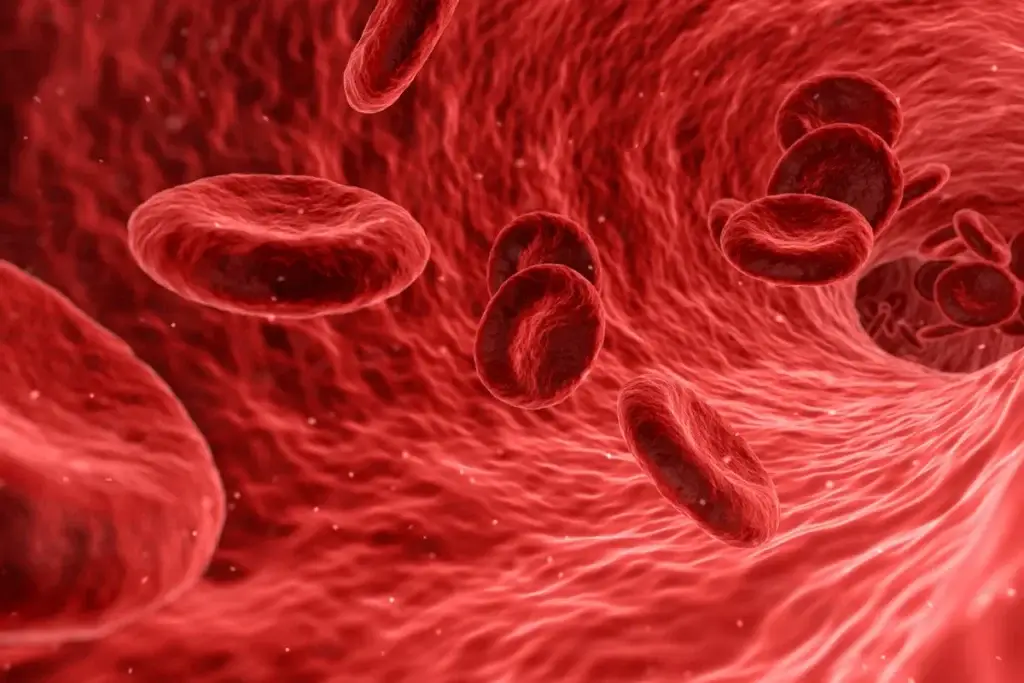
Anemia is one of the most common blood problems there is, and one of the easiest to overlook. Many people do not realize they have it until a routine blood test shows it. Others live for months with fatigue or breathlessness they put down to a busy life. This guide covers what anemia is, how it shows up, what causes it, and when it calls for a blood specialist.
What anemia is
Anemia develops when your blood has a lower-than-normal amount of healthy red blood cells, so your body does not get enough oxygen-rich blood. Red blood cells carry oxygen using a protein called hemoglobin. The American Society of Hematology defines anemia as a hemoglobin level below 13.5 g/dL for men or below 12.0 g/dL for women.
Symptoms to watch for
Mild anemia may cause no symptoms at all. As it becomes more significant, common symptoms include:
- Weakness or fatigue
- Shortness of breath
- Dizziness
- A fast or irregular heartbeat
- Pounding or “whooshing” in the ears
- Headache
- Cold hands or feet
- Pale or yellowish skin
- Chest pain
Chest pain, a racing heartbeat, or breathlessness at rest are not symptoms to wait out. Seek care promptly.
What causes anemia
Anemia is a sign, not a diagnosis on its own. The cause decides the treatment. Common causes include:
- Low iron, vitamin B12, or folate. Iron deficiency is the most common type of anemia, and it is usually due to blood loss.
- Blood loss, either slow (for example, from the digestive tract) or sudden.
- Chronic disease, such as kidney disease or cancer.
- Inherited conditions, such as sickle cell disease or thalassemia.
- Bone marrow problems, such as lymphoma, leukemia, myelodysplasia, multiple myeloma, or aplastic anemia.
Cancer treatment can cause anemia too. Chemotherapy often impairs the body’s ability to make new red blood cells.
How anemia is diagnosed
Diagnosis starts with blood work.
- Complete blood count (CBC). Measures your red blood cells, hemoglobin, hematocrit (how much space red blood cells take up in your blood), and MCV (the average size of your red blood cells). Cell size is often the first clue to the cause.
- Iron studies. Serum iron, transferrin, total iron-binding capacity, and ferritin, which shows how much iron is stored in your body.
- Reticulocyte count. Reticulocytes are young red blood cells. The count shows whether your bone marrow is making the right number of red blood cells, and it is also used to check marrow function after chemotherapy.
When blood tests do not explain the anemia, or point to a problem in the marrow itself, your doctor may recommend a bone marrow test.
When to see a hematologist
A hematologist is a physician who specializes in diagnosing and treating blood disorders. If you have anemia, your primary care doctor may refer you to one. Referral is worth asking about when:
- Your anemia has no clear cause after initial testing
- It does not improve with treatment such as iron or vitamin supplements
- It keeps coming back
- More than one blood count is abnormal, such as low white cells or platelets as well
- You have an inherited blood condition, or one runs in your family
- You are being treated for cancer and your blood counts are dropping
These are general guidelines, not a substitute for your doctor’s judgment. If you are unsure, ask your primary care doctor whether a hematology evaluation makes sense for you.
Talk to our team
Hematology is in our name. Oncology & Hematology Specialists has cared for patients with cancer and blood disorders since 1976, and our physicians are board certified in hematology, medical oncology, and internal medicine. Testing, including bone marrow testing with our in-house laboratory, happens at our Mountain Lakes office.
If you have been told you have anemia, or your blood counts are abnormal and no one has explained why, call us at 973-316-1701 or request a consultation.
Sources
- National Heart, Lung, and Blood Institute, Anemia
- NHLBI, Anemia Symptoms
- NHLBI, Anemia Diagnosis
- American Society of Hematology, Anemia
- American Society of Hematology, Hematology Glossary
- MedlinePlus, Anemia
- MedlinePlus, Iron Tests
- MedlinePlus, Reticulocyte Count
This is general information, not medical advice. Talk with your Oncology & Hematology Specialists care team about your situation, and follow the instructions they give you.