
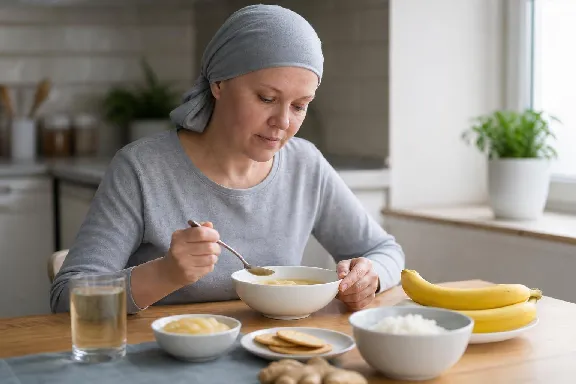
Discover gentle snacks and soothing meals to learn what foods help reduce nausea during chemotherapy while maintaining your strength and nutrient levels.
Chemotherapy is rough on the body, and nausea is one of the most common side effects patients face. While anti-nausea medications have improved significantly, what you eat before, during, and after treatment sessions can make a real difference in how you feel. The right foods won’t eliminate nausea entirely, but they can take the edge off and help you maintain enough nutrition to keep your strength up. Knowing which foods help reduce nausea during chemotherapy gives patients a sense of control during a time when so much feels out of their hands. The tricky part is that chemotherapy changes your taste buds, your appetite, and your tolerance for textures and smells, sometimes from one day to the next. What works on Monday might be unbearable by Wednesday. That’s why having a broad toolkit of nausea-friendly options matters more than memorizing a single meal plan. This guide covers specific foods, preparation methods, and eating strategies that oncology dietitians and patients themselves have found genuinely helpful.
Understanding Chemotherapy-Induced Nausea and Diet
Chemotherapy drugs work by targeting fast-growing cells, but they don’t distinguish perfectly between cancer cells and healthy ones. The cells lining your stomach and intestines grow quickly, so they often take collateral damage during treatment. This irritation, combined with the drugs’ effects on the brain’s vomiting center and serotonin receptors in the gut, creates the nausea that roughly 70-80% of chemotherapy patients experience to some degree.
Diet can’t override the neurological triggers of chemotherapy-related nausea, but it can reduce the burden on an already stressed digestive system. The goal is to give your stomach easy work: foods that digest quickly, don’t produce strong odors, and provide steady energy without sitting heavy.
Why Certain Foods Help Manage Symptoms
Foods that are gentle on nausea share a few characteristics. They tend to be low in fat, mild in flavor, and easy to digest. Fat slows gastric emptying, meaning greasy or rich foods sit in your stomach longer and increase the chance of feeling sick. Strong flavors and aromas can trigger the chemoreceptor zone in the brain, which is already on high alert during treatment.
Bland, starchy, and cool foods work because they move through the digestive tract without demanding much effort. They also help stabilize blood sugar, which matters because low blood sugar can worsen nausea on its own. Protein-rich options are important too, since your body needs amino acids for tissue repair, but the key is choosing proteins that don’t come with heavy smells or greasy textures.
Best Bland Foods for Chemotherapy Nausea
When your stomach feels like it’s staging a revolt, bland is your best friend. The word “bland” gets a bad reputation, but during chemo, it’s a relief. These are foods that won’t fight back.
The BRAT Diet: Bananas, Rice, Applesauce, and Toast
The BRAT diet has been a go-to recommendation for upset stomachs for decades, and it holds up well for chemotherapy patients. Bananas provide potassium, which you lose if you’ve been vomiting, and their soft texture requires almost no chewing. White rice is one of the easiest starches to digest, and it absorbs excess stomach acid. Applesauce offers gentle sweetness and pectin, a soluble fiber that can help firm up digestion without irritating the gut lining.
Plain toast, ideally made from white bread, gives you simple carbohydrates that convert to energy quickly. Some patients find that letting toast cool completely before eating makes it even easier to tolerate. A thin spread of a nut butter can add some protein, but skip the butter if the smell or greasiness bothers you.
Starchy Options to Settle the Stomach
Beyond the BRAT staples, other starchy foods deserve a spot in your rotation. Plain crackers, especially saltines, are a classic for good reason: they’re dry, salty, and absorb stomach acid. Pretzels work similarly. Plain oatmeal made with water rather than milk provides a warm, filling option that most patients tolerate well in the morning.
Plain pasta with a tiny drizzle of olive oil, boiled potatoes with a pinch of salt, and simple noodle soups without heavy seasoning are all solid choices. The common thread is simplicity. Skip the cream sauces, the garlic, and the spice blends. You can always add flavor back once your stomach settles, but starting plain gives you the best chance of keeping food down.
High-Protein and Cooling Food Options
Getting enough protein during chemotherapy is critical for maintaining muscle mass and supporting immune function. The challenge is that many high-protein foods, like grilled chicken or scrambled eggs, can produce strong smells that trigger nausea. The workaround is temperature and preparation.
Cold or Room Temperature Proteins
Hot foods release more aromatic compounds than cold ones. That’s why a plate of warm scrambled eggs might make you gag, but a cold hard-boiled egg sliced onto crackers feels manageable. Cold chicken breast, sliced thin and eaten with plain bread, is another option that many patients handle well.
Cottage cheese, plain Greek yogurt, and string cheese are excellent cold protein sources that don’t produce strong odors. Nut butters spread on crackers or toast provide protein and calories without the smell factor. If you can tolerate it, cold tofu cubed into a mild broth works surprisingly well. The key is keeping these foods at room temperature or below, since heating them up reintroduces the smell problem.
Frozen Treats and Chilled Fruits
Frozen foods have a numbing effect on the palate that can temporarily suppress nausea. Popsicles, frozen fruit bars, and Italian ice are favorites among chemo patients. They also help with hydration, which is a bonus when drinking liquids feels difficult.
Frozen grapes, chilled watermelon cubes, and cold cantaloupe slices offer natural sugars and water content without overwhelming the stomach. Smoothies made with frozen banana, a handful of berries, and plain yogurt can pack in both calories and protein while going down easily. Just keep smoothies simple: skip the protein powder with artificial flavors, and avoid acidic fruits like oranges or pineapple if your mouth is sore from treatment.
Natural Anti-Nausea Ingredients to Incorporate
Some foods have properties that actively work against nausea rather than just being easy to tolerate. These are worth adding to your diet intentionally.
Ginger-Infused Snacks and Beverages
Ginger has the strongest evidence base of any natural anti-nausea remedy. Multiple clinical studies, including a 2024 meta-analysis in Supportive Care in Cancer, have confirmed that ginger can reduce the severity of chemotherapy-induced nausea when used alongside standard anti-emetic medications. The active compounds, gingerols and shogaols, appear to work on serotonin receptors in the gut.
Practical ways to get ginger into your diet include ginger tea (steep fresh sliced ginger in hot water for 10 minutes), ginger chews or candies, ginger ale made with real ginger (check the label, since many commercial brands use artificial flavoring), and crystallized ginger eaten as a snack. Some patients keep ginger candies in their pocket during infusion sessions and suck on them when waves of nausea hit. A reasonable daily target is about 1-2 grams of ginger, though you should check with your oncologist since ginger can interact with certain blood-thinning medications.
Peppermint and Lemon for Refreshment
Peppermint has a long history as a digestive aid, and its cooling menthol can help calm an unsettled stomach. Peppermint tea is one of the most commonly recommended beverages for chemo patients, and some find that simply smelling peppermint oil provides relief. Peppermint candies are another easy option to keep on hand.
Lemon works differently: its sharp, clean scent can cut through the metallic taste that many chemotherapy drugs leave in the mouth. Squeezing fresh lemon into water, sucking on lemon drops, or even just sniffing a cut lemon before meals can reduce that queasy feeling. Some patients keep lemon-scented wipes nearby during treatment to counteract unpleasant hospital smells that trigger nausea.
Hydration Strategies When Solids Are Difficult
There will be days when eating anything solid feels impossible. On those days, staying hydrated becomes the priority. Dehydration worsens nausea, creates a vicious cycle, and can land you back in the hospital, so this matters more than most people realize.
Clear Broths and Electrolyte Drinks
Clear chicken or vegetable broth provides sodium, some minerals, and a small amount of protein without requiring any chewing. Sipping warm broth slowly through the day can keep your fluid levels stable and provide comfort when nothing else appeals. Bone broth offers a higher protein content if you can find a brand or recipe that doesn’t taste too strong.
Electrolyte drinks are important because vomiting depletes sodium, potassium, and other minerals your body needs. Options like Pedialyte, diluted sports drinks, or coconut water can replenish what you’ve lost. Some patients freeze electrolyte drinks into ice cubes or popsicles for a more tolerable format. Plain water with a pinch of salt and a squeeze of lemon is a simple homemade alternative. Aim to sip fluids throughout the day rather than drinking large amounts at once, since gulping can stretch the stomach and trigger more nausea.
Eating Habits to Minimize Nausea
What you eat matters, but how and when you eat can be just as important. Small adjustments to your eating patterns can meaningfully reduce nausea episodes.
The Importance of Small, Frequent Meals
An empty stomach produces acid with nothing to absorb it, which worsens nausea. A too-full stomach triggers stretch receptors that can also make you feel sick. The sweet spot is eating small amounts every two to three hours throughout the day.
Think of it as grazing rather than sitting down for three traditional meals. A few crackers here, a small cup of yogurt there, half a banana mid-afternoon. Keeping your stomach partially full at all times prevents both the empty-stomach acid problem and the overfull discomfort. Many patients find it helpful to eat a small snack, like dry toast or a few crackers, about 30 minutes before getting out of bed in the morning. This settles the stomach before you’re upright and moving around.
Avoiding Strong Odors and Greasy Textures
Smell is often the biggest nausea trigger during chemotherapy, even more than taste. If possible, have someone else prepare your meals so you’re not standing over a hot stove breathing in cooking fumes. Eating in a well-ventilated room or near an open window helps too.
Greasy, fried, and heavily spiced foods are the most common culprits for triggering nausea. Skip the fried chicken, the curry, and the bacon for now. Even foods you normally love can become intolerable if they’re rich or aromatic. Some patients find that using plastic utensils instead of metal ones reduces the metallic taste that can accompany nausea. Others use a straw for beverages to bypass some of the smell. These small tricks sound minor, but they add up.
Finding What Works for You
Managing nausea during chemotherapy is deeply personal. What settles one person’s stomach might make another person feel worse. The foods and strategies outlined here, from bland starches and cold proteins to ginger, peppermint, and smart hydration, give you a solid starting point. But the real work is paying attention to your own body and building a list of your personal safe foods.
Keep a simple food journal during your first few treatment cycles. Write down what you ate, when you ate it, and how you felt afterward. Patterns will emerge quickly, and you’ll develop your own playbook. Talk to your oncology team about working with a registered dietitian who specializes in cancer care: they can tailor recommendations to your specific treatment regimen and help you maintain adequate nutrition even on the hardest days. You deserve to feel as well as possible during this time, and the right food choices can genuinely help make that happen.
Related reading: What to Expect at Your First Chemotherapy Infusion