
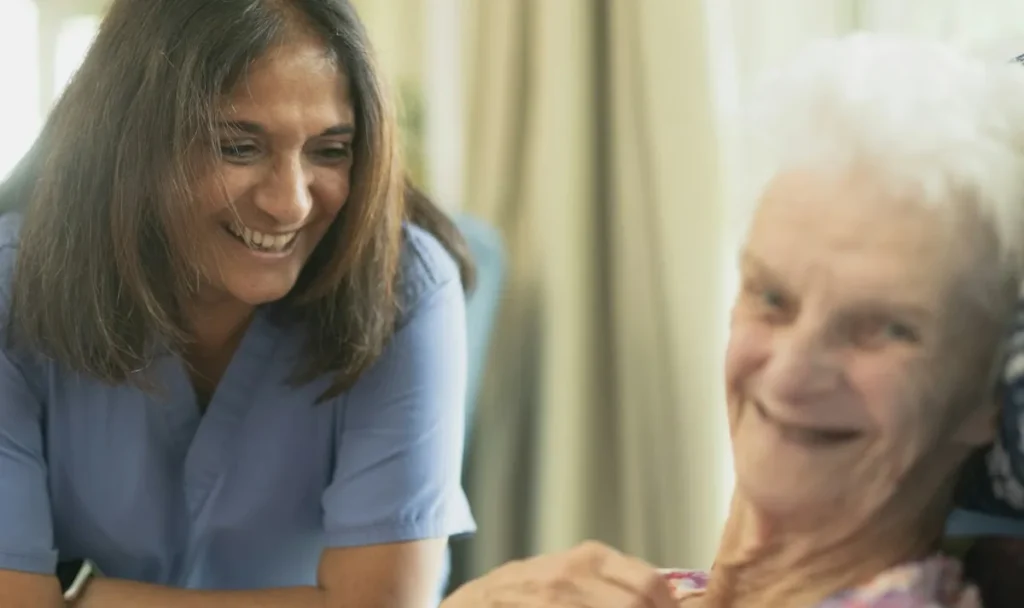
Your first infusion day is the one most people worry about, mostly because it is unknown. Here is how the day usually runs, from the moment you arrive to the drive home, so you walk in knowing what comes next.
Before you leave home
- Arrange a ride. Plan for someone to drive you to and from treatment. Some pre-medications can make you sleepy.
- Dress for comfort. Wear loose, comfortable clothes. If you have a port, a top that opens easily at the chest helps.
- Bring a layer. Infusion rooms are often chilly, so a blanket or sweater is worth packing.
- Bring something to pass the time. A book, a tablet, headphones, or a companion. You can read, watch something, or talk with the person who came with you during treatment.
- Bring your list. Current medications, questions for your team, and your insurance card.
When you arrive
Check-in and vitals
A nurse checks your vital signs, height, weight, and blood counts to make sure it is safe to give chemotherapy that day. Your weight matters: many chemotherapy doses are calculated from it.
Blood work and access
The nurse either accesses your port or places an IV, often at the same time as your blood draw. An IV is a small, soft tube placed in a vein in the hand or forearm. A port is a small, round disc placed under the skin during a minor procedure and connected to a large vein, so you do not need a new needle stick in the arm each visit.
A visit with your provider
You may see your doctor, nurse practitioner, or physician assistant for a quick exam before treatment starts. This is a good time to ask anything on your list.
During the infusion
Pre-medications
Before the chemotherapy itself, you may receive “pre-meds”: medicines such as steroids, allergy medicines, or anti-nausea medicines that help prevent reactions and side effects. Some of these can make you drowsy.
The chemotherapy
Most people are surprised by how uneventful this part is. You should not feel anything from the chemotherapy medicine while it is infusing. Your nurse checks on you throughout and is right there if anything feels off.
How long it takes
A typical infusion lasts anywhere from a few minutes to a few hours, and some regimens take most of the day. Some treatments continue at home for one to several days through a small pump you wear or carry. Ask your team for your expected chair time in advance so you can plan the day.
Before you go home
Your nurse removes or disconnects your line, reviews home instructions and any prescriptions, sets up your next blood work, and tells you exactly who to contact if you have problems. Make sure you know how to reach your care team at any hour, including nights and weekends.
Plan to rest on the day of treatment and the day after, and accept help with meals and errands for the first cycle while you learn how your body responds.
When to call your care team right away
Call your team immediately if you have:
- A fever at or above the number your team gave you (usually 100.5°F to 101°F or higher, taken by mouth)
- Intense chills
- Bleeding or unexplained bruising
- A rash or signs of an allergic reaction
- Pain at the injection or catheter site, or any unusual pain
- Diarrhea or vomiting that does not stop
- Blood in your stool or urine
- Shortness of breath
If you are having trouble breathing, call 911 first.
Check with your team before taking any fever-reducing medicine. It can hide signs of a more serious problem, such as infection.
One more thing worth knowing: how many side effects you have says nothing about how well chemotherapy is working.
Talk to our team
At Oncology & Hematology Specialists, infusion happens in our onsite infusion center at our Mountain Lakes office, and most other parts of treatment are managed there too, including our ACHC-accredited specialty pharmacy. Patients can also use Ozential, our VR meditation program, during infusion. For eating well and staying comfortable between treatments, see our guides on foods that help with nausea and staying hydrated during chemotherapy.
Starting treatment soon? Call us at 973-316-1701 or request a consultation, and we will walk you through what your first day here will look like.
Sources
- American Cancer Society, Chemo Infusions or Injections
- American Cancer Society, Chemotherapy Side Effects
- National Cancer Institute, Chemotherapy to Treat Cancer
- National Cancer Institute, Infection and Neutropenia during Cancer Treatment
This is general information, not medical advice. Talk with your Oncology & Hematology Specialists care team about your situation, and follow the instructions they give you.